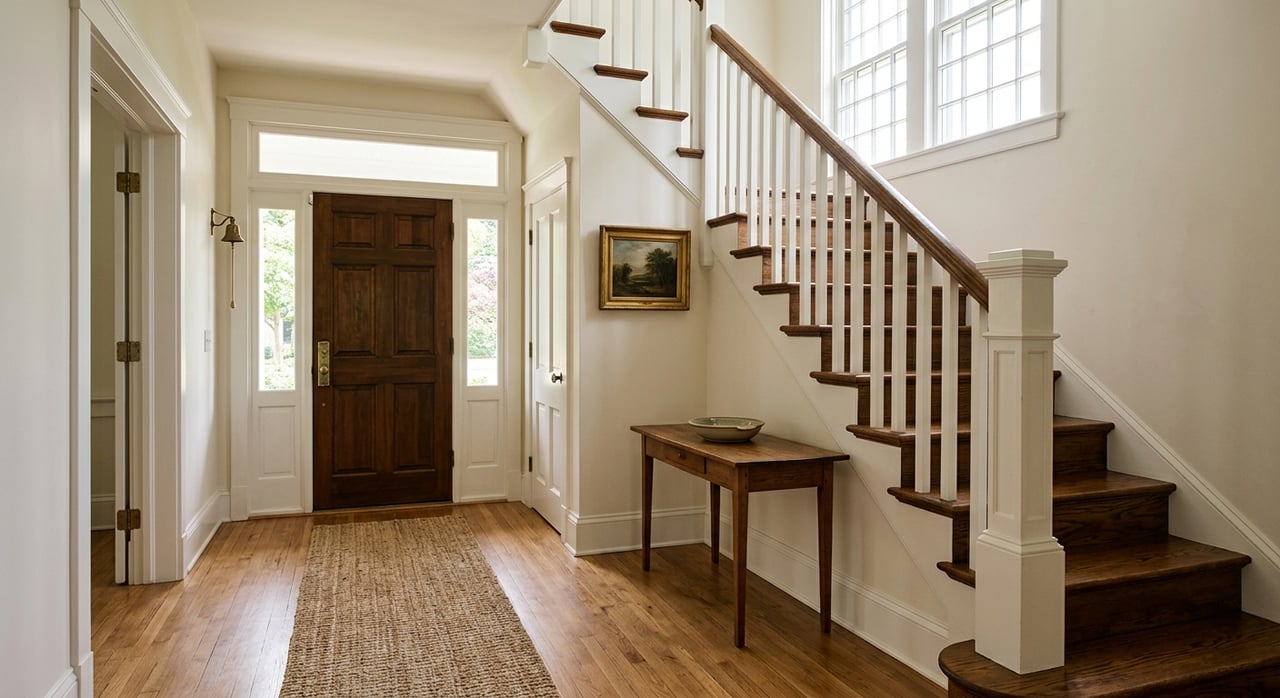
Dreaming about a historic home in Fisher Park? You are not alone. The charm is real, but so are the rules, repair needs, and renovation decisions that come with buying an older property in one of Greensboro’s best-known historic districts. If you want to move forward with more confidence, this guide will walk you through what to expect before you buy and before you renovate. Let’s dive in.
Why Fisher Park stands out
Fisher Park holds an important place in Greensboro’s history. It is both a National Register historic district and one of the city’s locally zoned historic districts, which means the neighborhood’s historic character is recognized at both levels.
According to the National Register nomination, Fisher Park was Greensboro’s first suburb planned around a park and one of North Carolina’s earliest park suburbs. That history is a big part of what draws buyers in today, especially if you want a home with architecture, setting, and details that are hard to find in newer construction.
What homes in Fisher Park look like
If you are shopping in Fisher Park, you will likely see a mix of early 20th-century architectural styles. The most common home forms are bungalows and foursquares, and Colonial Revival is the district’s most popular style.
You may also come across Tudor Revival, Mediterranean Revival, Prairie, Queen Anne, and Neoclassical Revival homes. Many houses include original details that define their historic character and influence what renovations may be appropriate.
Common exterior features
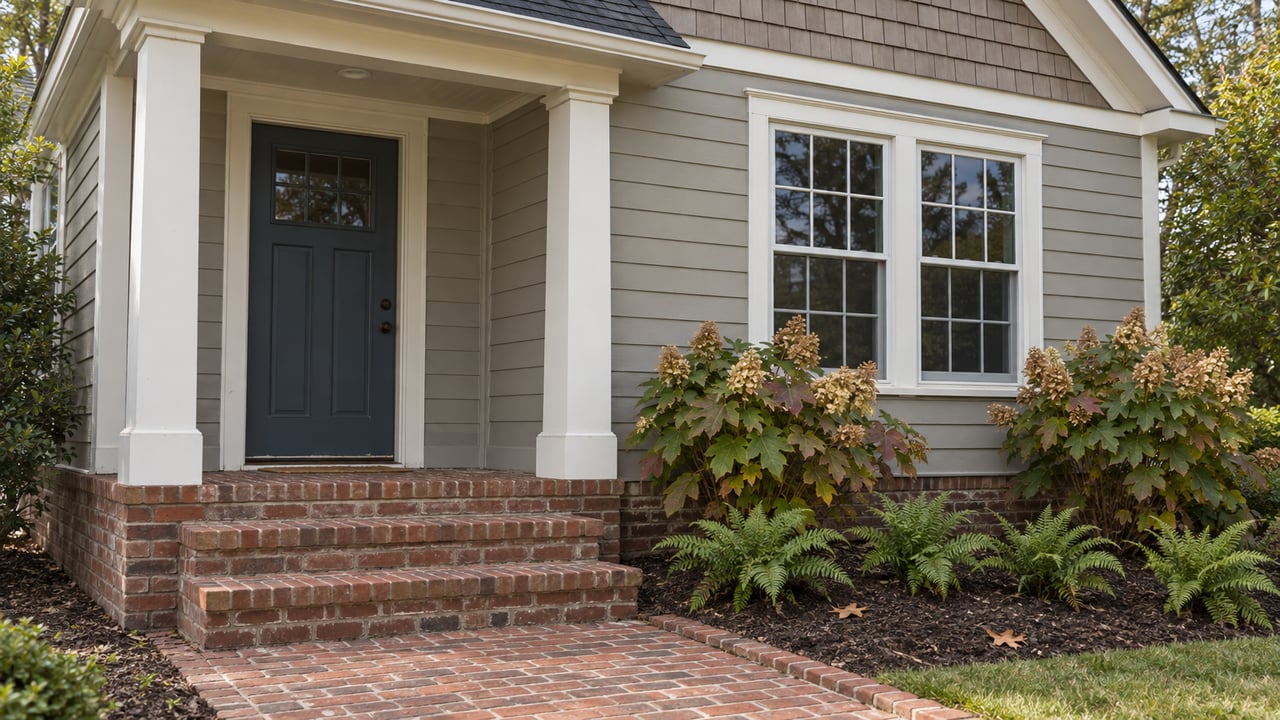
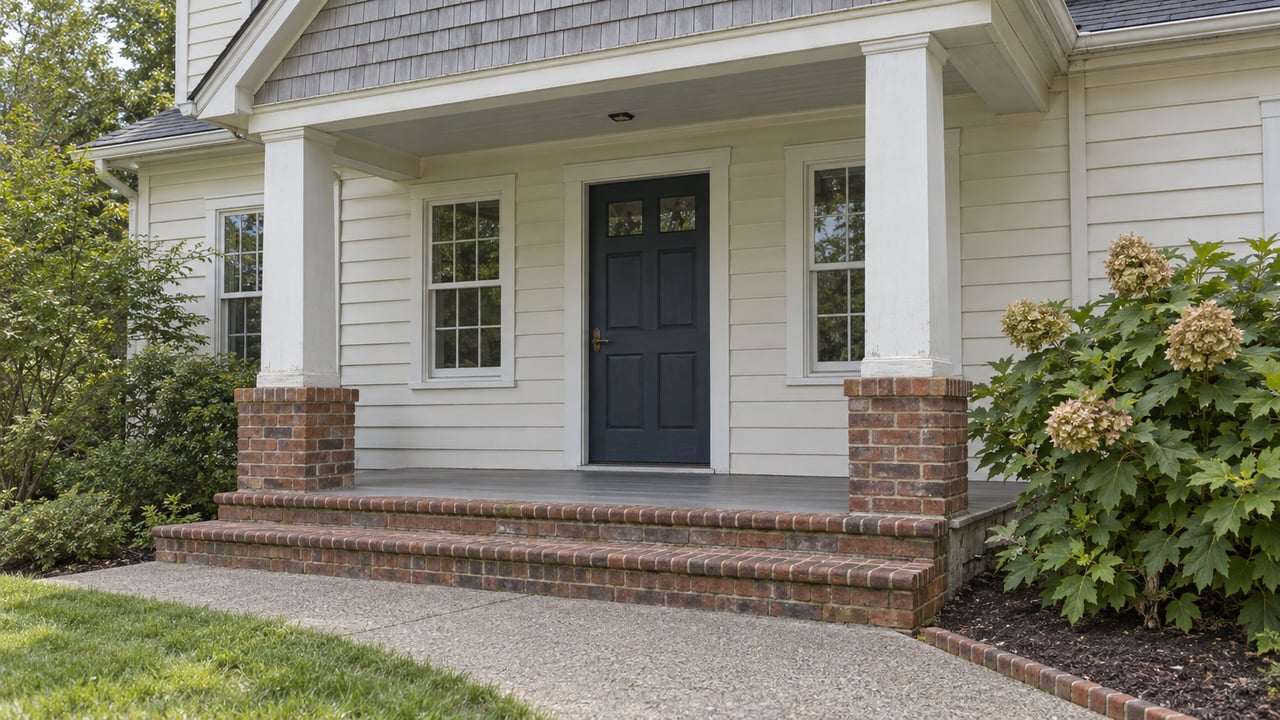
Many Fisher Park homes include features such as:
- Weatherboard or shingle siding
- Wide eaves
- Exposed rafter ends
- Triangular knee braces
- Battered porch posts
- Brick or stone porch piers
- Symmetrical facades on Colonial Revival homes
- Gable or gambrel roofs
- Half-timbering on Tudor-inspired designs
- Rough brickwork, tile roofs, or round arches on some homes
- Strong horizontal lines in Prairie-style homes
The setting matters too. Greensboro’s historic district guidance treats streets, sidewalks, parks, streetlights, trees, fences, walls, walkways, signs, and accessory buildings as part of the area’s overall historic character.
Understand the local historic rules first
This is one of the biggest things buyers need to know. In Fisher Park, local historic district rules affect exterior and site work, and a Certificate of Appropriateness, often called a COA, is required before exterior work begins.
That matters because a project you might think of as simple can still need review. Greensboro’s historic district program notes that minor work may often be approved by city staff, while larger changes may go before the Historic Preservation Commission.
Projects that may be handled as minor work
Depending on the scope, city staff can often review items such as:
- Exterior repairs
- Landscaping
- Fences
- Backyard decks
Even then, it is smart to confirm early. A repair that changes materials or visible features may be treated differently than routine maintenance.
Projects that usually need commission review
Larger changes usually require more formal review, including:
- New construction
- Additions
- Major exterior alterations
If you are thinking about expanding a home, plan carefully. The city states that additions should not compromise the historic building or its setting, and proposals that dramatically change the balance between built area and open space are not considered appropriate.
Why additions need extra planning
In Fisher Park, additions are not impossible, but they need to be compatible. Greensboro requires a COA for all additions, and applications should include a measured site plan, elevation drawings, material specifications, and photographs.
For buyers, that means your renovation budget should include design and planning time, not just construction costs. If you are buying with the goal of adding square footage, you will want to test that idea early before assuming the project will move forward as imagined.
Roof, window, and porch changes matter
Some of the most visible exterior features on a historic home are also the ones that often need work. In Fisher Park, those features can affect both maintenance costs and approval requirements.
For roofs, Greensboro distinguishes between routine repair and material changes. Replacing composition shingles may not require a COA if no original features are removed or damaged, but changing roofing materials or altering slate, terracotta, metal roofing, built-in gutters, half-round gutters, skylights, vent pipes, ventilators, or solar panels does require review.
Windows are more important than many buyers expect
Historic windows are a major part of a home’s character. Greensboro’s manual notes that muntin patterns often help identify architectural style, and it recommends repairing historic windows when possible.
The city also notes that preserving historic windows is generally less expensive than replacing them. That may surprise some buyers, especially if they assume replacement is always the easier answer.
Porches deserve close attention
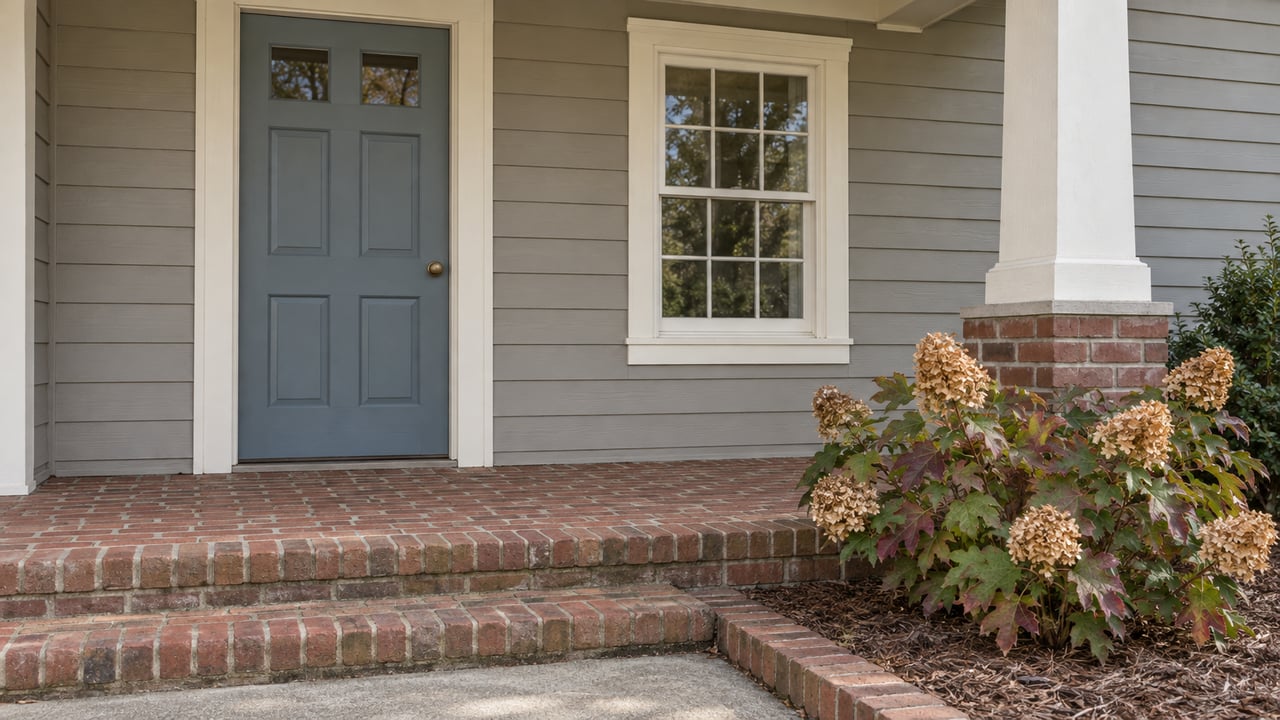
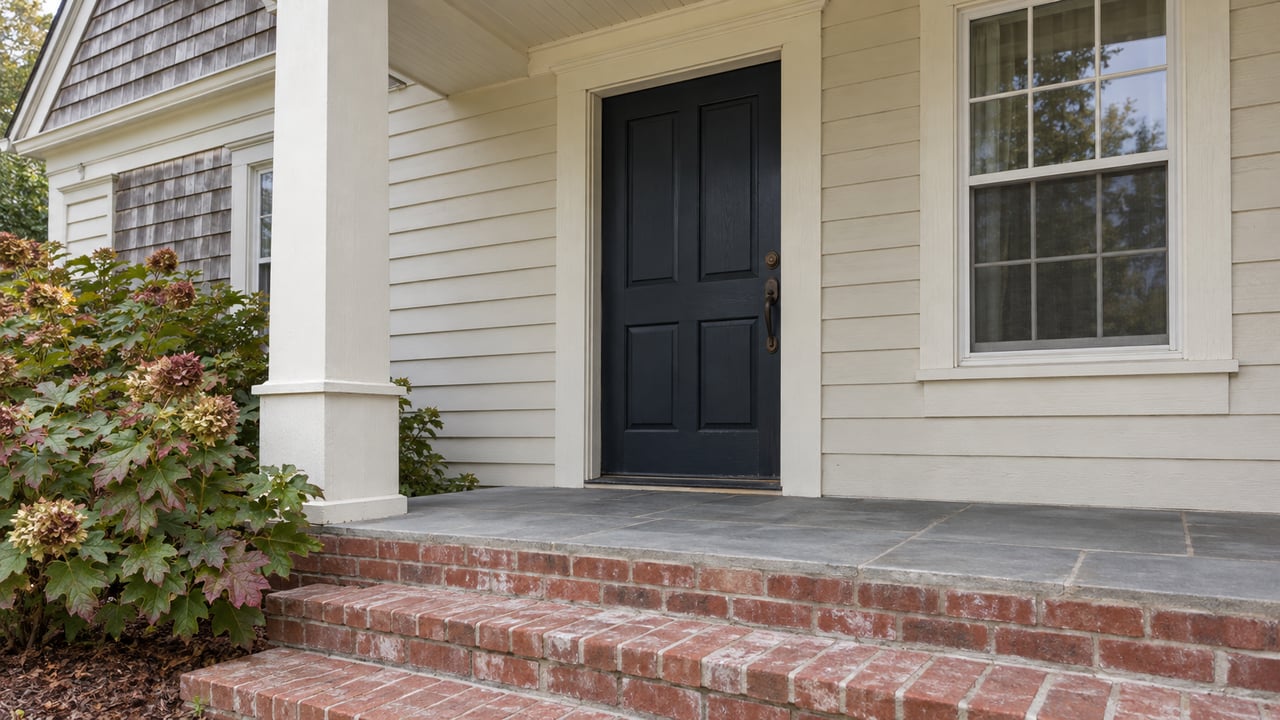
Porches are treated as major stylistic features in Greensboro’s standards. They are also exposed to weather, so they can deteriorate quickly if they are not maintained.
When you tour a Fisher Park home, pay close attention to porch floors, railings, columns, steps, and trim. Porch repairs can be important both for safety and for preserving the look of the home.
What to watch for during inspections
A historic home inspection should go beyond the basics. Older homes often have issues that are normal for their age, but some conditions need a closer look before you commit.
Masonry homes, for example, may show minor settlement and mortar-joint cracking over time. Greensboro notes that more serious warning signs can include large cracks through masonry units, bulging or sagging walls, uneven masonry, and sagging floors.
Moisture is often the bigger problem
In many older homes, water intrusion causes more damage than buyers expect. Small openings around windows and doors can let water reach wood and masonry, which can lead to deterioration over time.
Greensboro’s porch guidance also warns that porch floors often fail where water wicks into the ends of the material. That makes porches, trim, and window surrounds smart areas to scrutinize during due diligence.
Lead-based paint may be a factor
Because many Fisher Park homes date to the early 20th century, lead-safe planning can be relevant. The EPA says homes built before 1978 are more likely to contain lead-based paint, and 87% of homes built before 1940 have some lead-based paint.
The EPA also states that sanding, cutting, and window replacement can create hazardous lead dust. For many pre-1978 projects that disturb painted surfaces, certified firms and lead-safe work practices are required.
Asbestos can show up in older materials
Older homes can also contain asbestos in materials such as roofing shingles, ceiling tiles, floor tiles, and some insulation products. Remodeling can release fibers if those materials are disturbed.
If a house has older building materials that may be affected by your renovation plans, testing or specialist handling may be part of the process before demolition or replacement work begins.
Plan energy upgrades with care
Many buyers want to improve comfort and efficiency right away. That makes sense, especially in an older home that may have little or no attic insulation.
The key is to balance performance upgrades with preservation goals. Adding insulation is often most effective when paired with air sealing and moisture control, and in a historic house, the goal is usually to improve comfort without changing the exterior appearance.
Why your contractor team matters
In Fisher Park, the right professionals can save you time, money, and frustration. Greensboro notes that feasibility in historic districts depends on compatible materials, skilled craftspeople, inherent flaws in historic materials or design, and modern code requirements.
That is why it helps to work with inspectors, contractors, or architects who understand local historic districts. An experienced team can help you tell the difference between repairs that preserve original materials and changes that may trigger more review or create avoidable issues.
A smart buyer approach
Before you close on a historic home, consider this checklist:
- Review the home’s visible exterior features carefully
- Ask what exterior work has already been completed
- Confirm whether past changes appear consistent with local standards
- Discuss your renovation goals before purchase, especially if you want an addition
- Budget for repairs instead of assuming full replacement
- Plan for possible lead-safe or specialty material handling
- Build extra time into your renovation timeline for approvals
What successful Fisher Park renovations usually have in common
The best renovation plans in historic districts are usually the ones that respect what makes the property special. In Fisher Park, that often means preserving what is visible from the street, repairing original materials where practical, and documenting proposed changes clearly before seeking approval.
That approach not only helps with the city review process, but also protects the architectural character that drew you to the neighborhood in the first place. If you love historic homes, that balance is often where the real value is.
Buying a historic home in Fisher Park can be incredibly rewarding, but it works best when you go in with clear expectations. If you understand the district rules, inspect carefully, and build the right renovation team from the start, you can make thoughtful updates while preserving the home’s character for years to come.
If you are considering a home in Fisher Park or anywhere in the Greensboro area, Pam Robbins can help you navigate the buying process with local insight, responsive guidance, and a practical plan for your next move.
FAQs
What makes Fisher Park a historic district in Greensboro?
- Fisher Park is both a National Register historic district and one of Greensboro’s locally zoned historic districts, with local rules that apply to exterior and site work.
What types of homes are common in Fisher Park?
- Buyers in Fisher Park will often see bungalows, foursquares, and Colonial Revival homes, along with smaller numbers of Tudor Revival, Mediterranean Revival, Prairie, Queen Anne, and Neoclassical Revival styles.
Do you need approval to renovate a historic home in Fisher Park?
- Yes, exterior work in Fisher Park generally requires a Certificate of Appropriateness before work begins, with minor work often handled by staff and larger projects reviewed by the Historic Preservation Commission.
What exterior changes get the most attention in Fisher Park renovations?
- Windows, doors, porches, roofs, additions, and other visible exterior elements often receive close review because they strongly affect a home’s historic appearance.
What inspection issues should buyers watch for in older Fisher Park homes?
- Common concerns can include settlement-related masonry cracks, moisture intrusion, porch deterioration, lead-based paint, asbestos in older materials, and the need for careful insulation and air-sealing upgrades.
Why should buyers use contractors familiar with Greensboro historic districts?
- Contractors and inspectors with local historic-district experience can help you spot preservation-friendly repair options, understand compatibility issues, and prepare for approval requirements before renovation work begins.