A few weeks ago, a Grandover neighbor posted something unusual to the community board. She needed a package of honey bees, or a nuc, to repopulate one of the two hives at the Arboretum after a cold snap wiped them out. She signed off hoping to get the hives buzzing again once she found a replacement colony.
It's a small thing, but it offers a glimpse of how resort amenities and residential life overlap in Grandover. The Arboretum sits inside a resort complex that hosts conventions, weddings, and golf trips, and has become the setting for a neighbor's urban beekeeping project. Over time, residents have made use of parts of the property in their own ways.
Grandover brings together a large resort business and nearby residential life. Its events draw visitors from beyond the neighborhood, while some residents also make use of the resort's bars and programming as part of their routine.
A Resort and Its Surrounding Neighborhood
Grandover exists because Joseph Koury, who founded Koury Corporation in 1952, spent thirty years quietly acquiring land in what he still called "the Sedgefield area" of Guilford County. In a 1993 interview, before any of it had a name, he predicted that "in a short while you are going to see a golf course here, and then you will see a town blossoming." He was calling it the Sedgefield Project at the time. The name Grandover came later.
The East Course opened in March 1996, the West Course followed in May 1997, and both remain open to the public daily rather than restricted to a private membership. The resort that grew up around them was never modest. Today's convention center alone runs 45,000 square feet across 22 venues, with room for up to 900 banquet guests or 300 conference attendees at a time. That scale serves large gatherings, from wedding parties flying in from out of state to corporate retreats and the NC Bar Association conference booking a block of rooms for the weekend.
The property specs describe the resort's scale. Its recurring programming also offers a view of how people spend time there week to week.
From Ballroom Capacity to Barstool Regulars
The resort's day-to-day social calendar isn't built around the 900-person ballrooms. It runs through two small bars.
The 1808 Bar, named for the year Greensboro was founded, sits next to the resort's Finial Restaurant and hosts weekend live music that has nothing to do with weddings or golf outings. A recent summer lineup ran through acts like Evan & Jessica, The Good Watts, Mike Coia, Ghosts of Liberty, Justin Reid, and David Lin, one name after another, week after week, in a room that seats maybe a few dozen people comfortably.
Down the hall, 19 & Timber Bar runs weekly karaoke hosted by Courtney Chandler, Thursdays from 8 p.m. to midnight and Saturdays from 9 p.m. to midnight. That's not an occasional special event. It's a standing weekly fixture, the kind of thing you plan your Thursday around if you live five minutes away and don't feel like driving into Greensboro proper.
Layer in the resort's seasonal touches and the picture sharpens further:
- Sunset Sessions, a live music series held at the fire pit on the resort grounds, ran in early April 2026
- The Wine Warrior Challenge, a multi-course dinner where guests vote on wine pairings across the meal, was held later that same month
- The O.Henry Magazine Author Series kicked off its summer reading season at the resort in early May 2026, with novelist Kristy Woodson Harvey as the featured guest
- The Griffin Cup Championship, a two-person team golf event on Grandover West, ran in early February 2026 at $180 per team
These are resort events, and the weekly bar nights also provide a recurring social option for people who live nearby.
Public Golf and Neighborhood Social Life
Here's the part that surprises people who assume Grandover runs like a country club subdivision. The golf courses, designed by architects David Graham and Gary Panks, are open to any paying member of the public on any given day. There's no membership roster, no waitlist, no initiation fee standing between a resident and a tee time.
What residents get instead is proximity. Golf carts move around some of the interior streets even though most people still drive into the rest of Greensboro. Some subdivisions within Grandover carry HOA dues in the range of $300 a month, which covers landscaping and shared upkeep, not resort access. The resort's fine dining, spa, and bar programming sit entirely outside that HOA structure. You pay for what you order, not for the privilege of walking in.
That's a genuinely different arrangement than most golf course communities in the Triad, where a country club membership is often the price of admission to the social scene. In Grandover, the social scene runs on a bar tab.
How Residents Use the Surrounding Area
Residents' routines extend beyond the bars. The surrounding streets and landscaped grounds are also part of daily life in Grandover.
Grandover Parkway, the tree-lined road connecting the resort and the surrounding development, has become a regular cycling route. Riders use informal pull-offs along the road to park and start their rides. The subdivision's sidewalks, lit by streetlights, support enough regular walking and running traffic that it's become one of the more commonly mentioned features of daily life here.
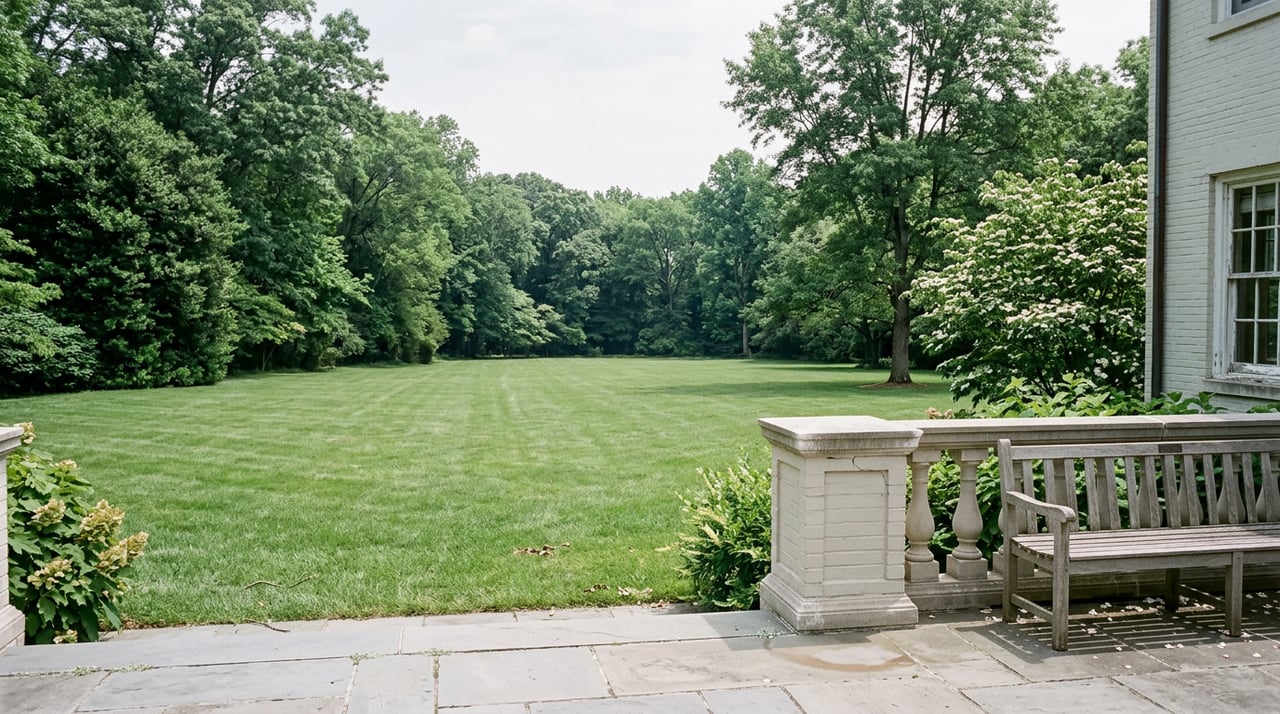
The Arboretum, within the resort's landscaped grounds, is home to two community-tended beehives. After a cold snap affected one hive, a neighbor put out a call for a replacement colony.
These neighborhood routines sit alongside the resort's 45,000 square feet of meeting space.
Koury's 1993 prediction was right in one sense: a town did blossom around that golf course. Grandover's everyday routines include weekly karaoke, a cycling route with informal parking, and two beehives tended by residents.
If you're weighing whether a resort-adjacent address like this fits how you actually want to spend your evenings, that's a conversation worth having with someone who knows this specific stretch of Guilford County, not just the county-wide averages. You can browse the Grandover neighborhood page for a closer look at what's currently available, or see how Grandover stacks up against its longtime neighbor in Grandover or Sedgefield: Comparing Greensboro Golf Living.
When you're ready to talk specifics, Pam Robbins Real Estate Group is a phone call away. Schedule a consultation and let's figure out whether this is the kind of weeknight routine you're looking for.
This article is general information, not legal, tax or financial advice. Consult a qualified professional about your situation.