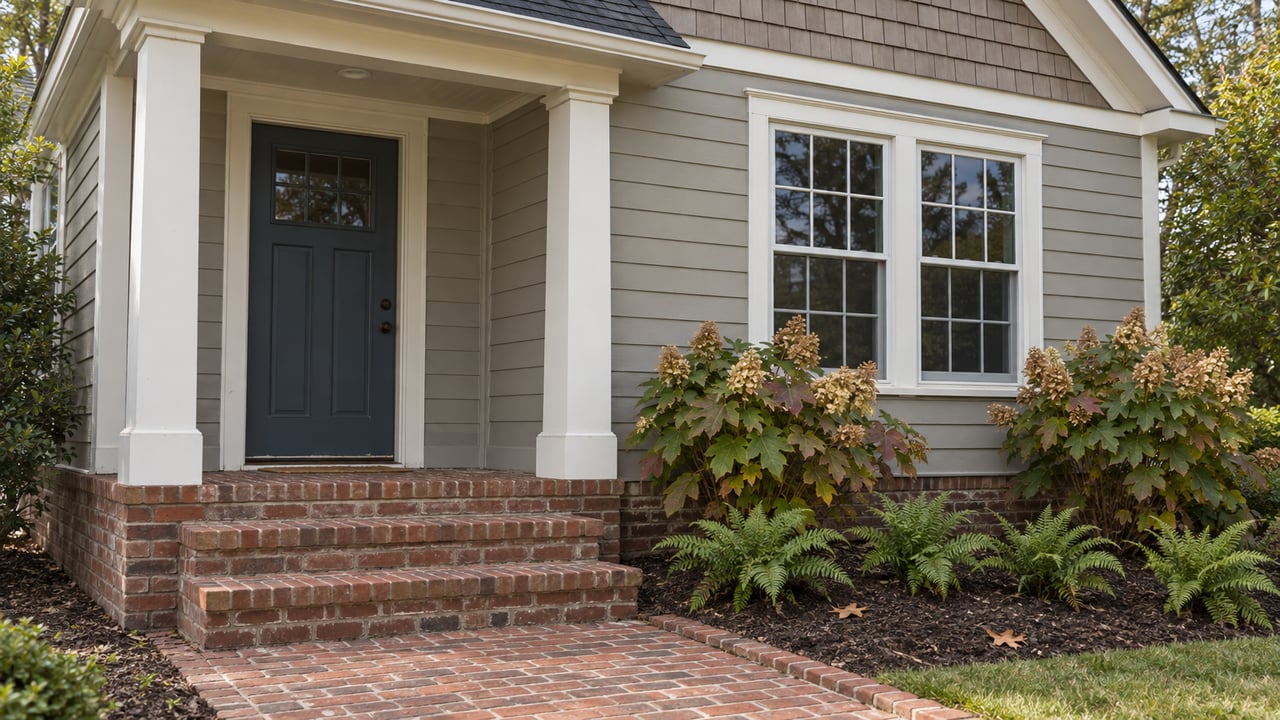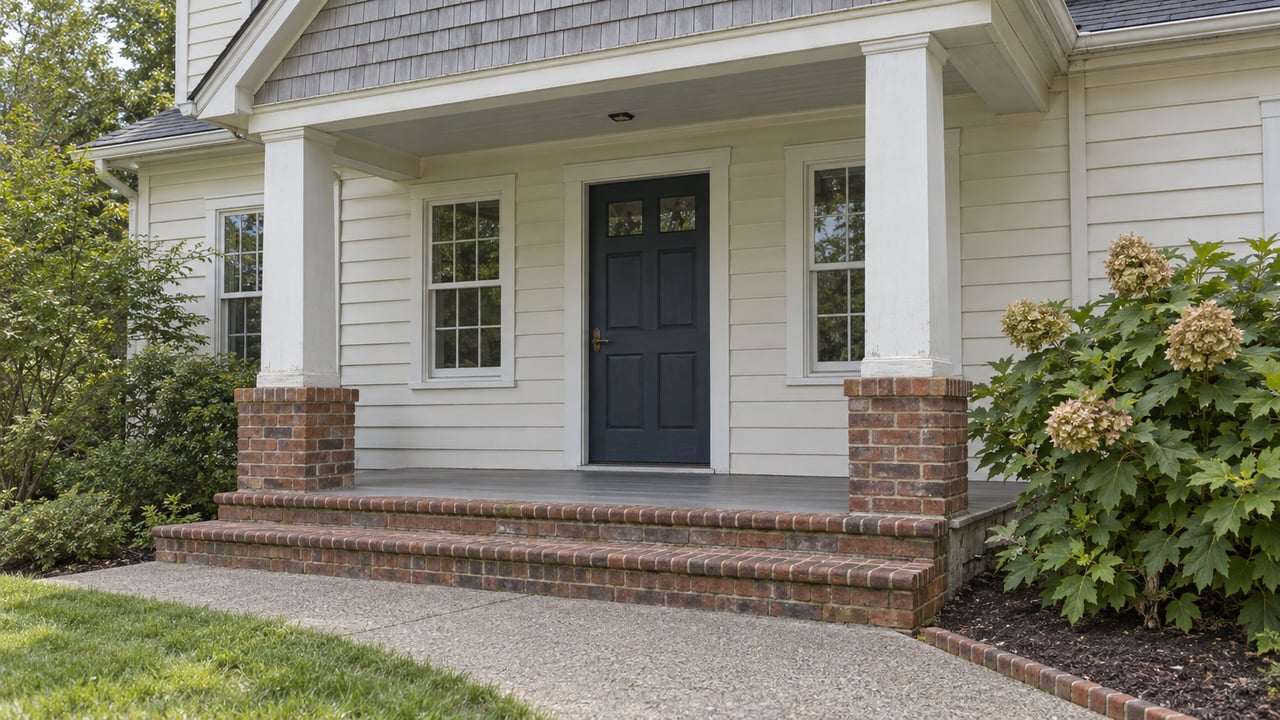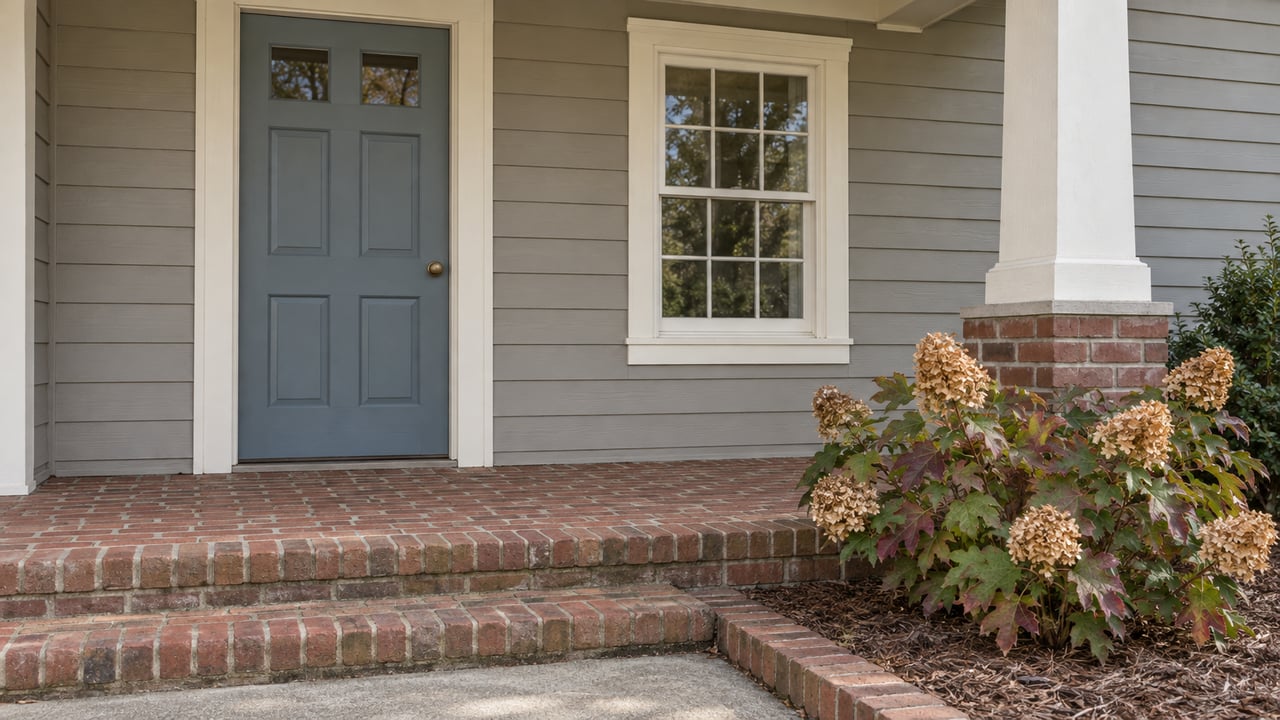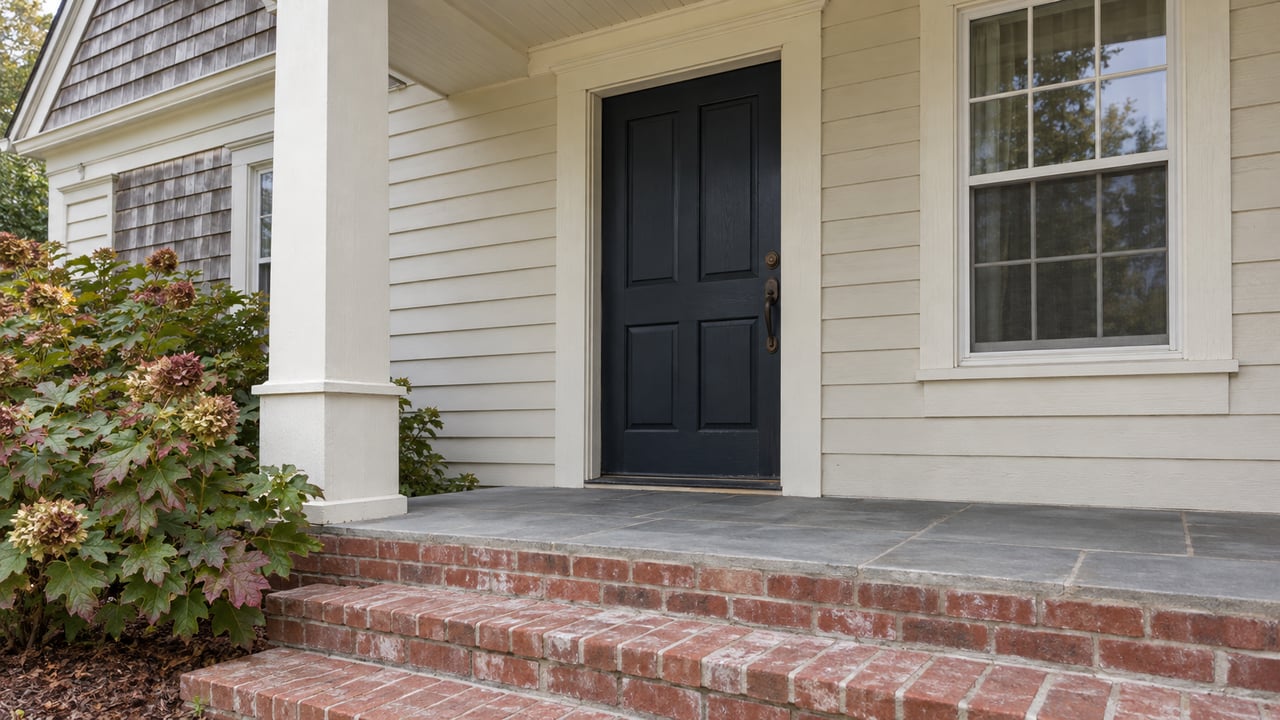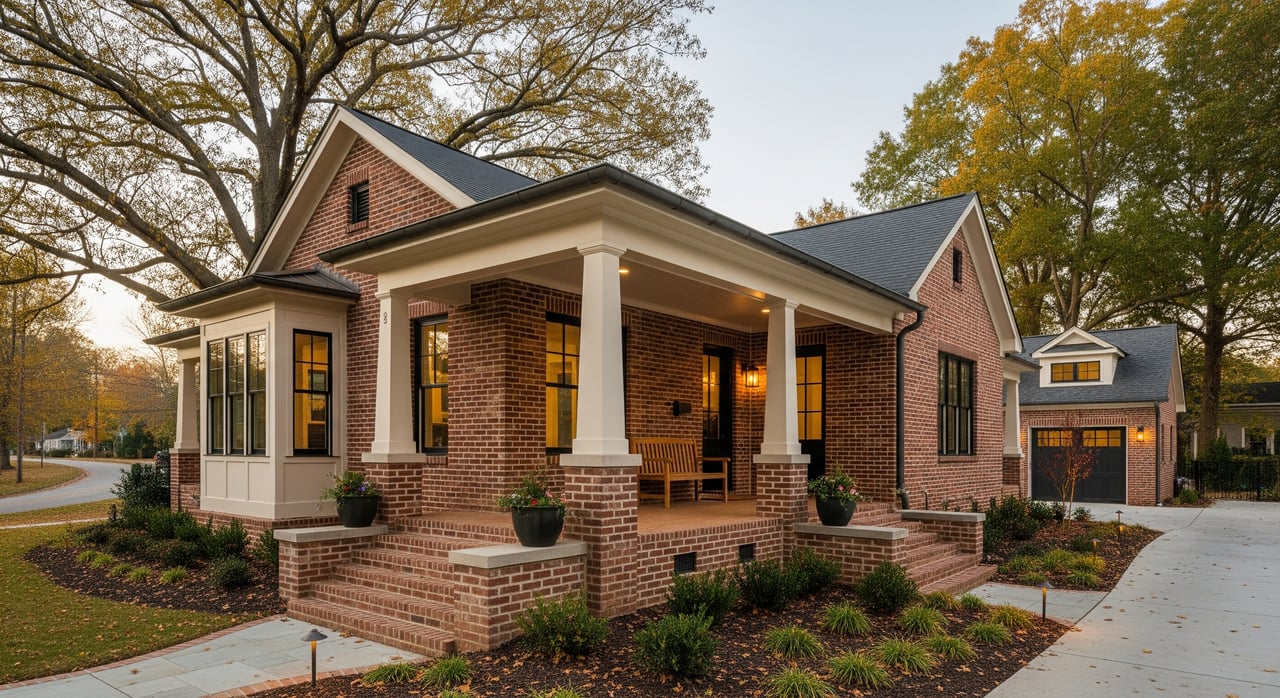
Thinking about buying your first rental in High Point? You are not alone. With steady demand across the Triad and a mix of single-family homes and small multis, High Point can be a solid market for small investors. The challenge is turning a promising listing into a reliable set of numbers you can trust. In this guide, you will learn a step-by-step way to analyze a rental in High Point, where to find local data, how to build a realistic budget, and how to evaluate returns with confidence. Let’s dive in.
Start with your investment goal
Before you look at a single listing, define what “good” looks like for you. Your target return shapes every decision that follows.
- Cap rate: What yield do you want on the purchase price based on Net Operating Income? Many investors look for 5 to 8 percent in mid-market metros, but your goals may differ.
- Cash-on-cash: How much annual cash flow do you want as a percent of the cash you invest? This helps compare deals with different down payments and loan terms.
- Hold strategy: Are you buying for stable long-term cash flow or value-add? Your answer changes how you underwrite repairs, vacancy, and rent growth.
In High Point, demand comes from students, young professionals, families, and manufacturing workers. Seasonality can vary by neighborhood, so your return targets should account for potential vacancy swings.
Know High Point’s rental context
High Point sits within the Greensboro–High Point–Winston-Salem region, with demand tied to local employers, events, and nearby universities.
Who rents here
You will find a wide tenant mix, including students, early-career professionals, and households who value proximity to Triad job centers. Neighborhood dynamics can shift street by street, which is why local comps matter.
Seasonality and demand drivers
High Point University and major furniture industry events can influence rental timing in some submarkets. If your property is near event corridors or student areas, ask local managers how lease starts and turnover typically align with these cycles.
Where to get data
To set market rent with confidence, start close to the property:
- Use a quick scan from tools like Rentometer for range and percentiles.
- Cross-check with recent leased comps through a local agent or property manager for street-level accuracy.
- For a ceiling reference in some unit types, look at HUD Fair Market Rents for the metro area.
For taxes, permitting, and operating rules, use local sources:
- Property tax assessments and bills: Guilford County property tax search.
- Permits, inspections, and code: City of High Point.
Build rent and sale comps
Start with a clear snapshot of the property:
- Address and property type: single-family, duplex, or 2–4 unit.
- Beds, baths, square footage, lot size, year built, and any HOA.
- Condition and recent updates that affect rent.
Then gather comps:
- Rent comps: Pull 5 to 10 nearby listings or recent leases within a mile, adjusting for bed/bath count, updates, and parking. Aim for 3 to 6 very close matches.
- Sale comps: Your agent can pull 3 to 6 recent sales to frame a fair purchase price and negotiation range.
Use these to estimate gross potential rent (GPR) and a likely purchase price before you build the operating budget.
Estimate income and expenses
You will move from top-line rent to bottom-line cash flow in a few clear steps.
Calculate income
- Gross Potential Rent (GPR): Monthly market rent multiplied by 12.
- Vacancy and credit loss: Start with 5 to 10 percent for stable neighborhoods. If your property targets students or seasonal demand, use a more conservative number.
- Other income: Consider pet fees, parking, laundry, or storage where appropriate.
Effective Gross Income (EGI) = GPR − Vacancy + Other Income
Common High Point expenses
Build a realistic operating budget. Include these line items:
- Property taxes: Pull the parcel details and actual tax bill from the Guilford County property tax search. Rates reflect county, city, and any special districts.
- Insurance: Get local landlord policy quotes. Older homes often carry higher premiums.
- Utilities: Decide which utilities you pay. If you cover water, sewer, or trash, request a utility history or consult the City of High Point for guidance on rates.
- Repairs and maintenance: A common range is 5 to 10 percent of EGI for single-family rentals, with older homes on the higher end.
- Capital expenditures reserve: Budget separately for big-ticket items like roof, HVAC, or windows.
- Property management: Many single-family rentals fall between 8 and 12 percent of collected rent, plus leasing fees.
- HOA dues: If present, include the monthly or annual fee.
- Legal and accounting: Budget for lease drafting, potential eviction costs, and annual tax prep.
- Advertising and landscaping: If applicable.
NOI = EGI − Operating Expenses
Crunch NOI, cap rate, and cash flow
Once you have NOI, you can benchmark the deal against local returns.
- Cap Rate = NOI ÷ Purchase Price
- Add debt service to see cash flow: Cash Flow (annual) = NOI − Annual Debt Service
Cap rate tells you the yield assuming no debt. Cash flow tells you what you actually take home after the mortgage.
Add financing and cash-on-cash
Financing changes the picture. Model your loan carefully and include every upfront cost.
Choose a loan path
Options small investors often consider:
- Conventional investor mortgages: Typically higher down payments and rates than owner-occupied loans.
- Owner-occupied 2–4 units: FHA allows low down payments if you live in one unit. Review rules at HUD.
- DSCR or portfolio loans: Lenders may size the loan based on the property’s debt service coverage ratio.
- Local banks and credit unions: Community lenders in Guilford County can be flexible for nonstandard scenarios.
To track broad rate trends, review the Freddie Mac Primary Mortgage Market Survey.
Model debt service
- Loan amount, rate, and amortization term determine your monthly principal and interest.
- Add lender fees, title, appraisal, and prepaids to closing costs.
- If mortgage insurance applies, include it.
Cash-on-Cash = Annual Cash Flow ÷ Total Cash Invested
Total Cash Invested includes your down payment, closing costs, and any initial repairs.
Run sensitivities and stress tests
Small changes can flip a deal from positive to negative, so test a few scenarios.
What to test
- Rent up or down by $50 to $150 per month.
- Vacancy from 5 to 10 percent or higher for higher-turnover areas.
- Higher maintenance and capex for older properties.
- Property taxes and insurance rising 10 to 20 percent.
- Repairs after inspection that need immediate funding.
When to walk away or reprice
Consider a reprice or pass if you see persistent negative cash flow under conservative stress tests, structural issues with high repair costs, title complications, or signs of sustained high vacancy. If the cap rate is far below local norms and your scenarios do not improve it, you likely need a lower price or a different property.
High Point rental: hypothetical example
The following walkthrough is a simple illustration, not market fact. Always replace with real comps, current quotes, and actual tax data.
- Purchase price: 180,000 dollars
- Property: 3 bed, 1.5 bath single-family home in High Point
- Market rent: 1,350 dollars per month
- Other income: 0 dollars
- Vacancy: 7 percent
- Annual property taxes: 1,800 dollars (use actual parcel data)
- Insurance: 900 dollars per year
- Property management: 10 percent of collected rent
- Maintenance and repairs: 8 percent of EGI
- Capex reserve: 1,200 dollars per year
- Landlord-paid utilities: 1,200 dollars per year
- Financing: 25 percent down, 4.75 percent interest, 30-year amortization
- Closing and initial repairs: 5,000 dollars
Step-by-step:
Gross Potential Rent (GPR) = 1,350 × 12 = 16,200 dollars
Vacancy (7 percent) = 1,134 dollars
- Effective Gross Income (EGI) = 16,200 − 1,134 = 15,066 dollars
Operating expenses:
- Property tax = 1,800 dollars
- Insurance = 900 dollars
- Property management = 10 percent of collected rent ≈ 1,507 dollars
- Maintenance and repairs = 8 percent of EGI ≈ 1,205 dollars
- Capex reserve = 1,200 dollars
- Utilities = 1,200 dollars
- Total operating expenses ≈ 7,812 dollars
Net Operating Income (NOI) = 15,066 − 7,812 = 7,254 dollars
Cap rate = 7,254 ÷ 180,000 ≈ 4.03 percent
Debt service:
- Loan amount = 75 percent of 180,000 = 135,000 dollars
- Monthly principal and interest ≈ 704 dollars
- Annual debt service ≈ 8,448 dollars
Annual cash flow = 7,254 − 8,448 = −1,194 dollars
Total cash invested = Down payment (45,000) + closing and initial repairs (5,000) = 50,000 dollars
Cash-on-cash return = −1,194 ÷ 50,000 = −2.39 percent
What this means: At this price and rent, the deal runs negative. To improve it, you could negotiate a lower price, find higher rent, reduce vacancy, or change financing. Run what-if cases to see how each lever shifts cap rate and cash-on-cash.
Legal, taxes, and permitting
Responsible underwriting includes local rules and costs:
- Landlord-tenant law: Review the North Carolina landlord-tenant statutes for security deposits, notice periods, and summary ejectment procedures.
- Registration and inspections: Confirm any rental registration, inspections, or licensing with the City of High Point.
- Property tax due diligence: Pull the parcel’s assessed value and last tax bill from the Guilford County property tax search. Note appeal timelines if the assessment appears out of line.
- Insurance and flood: Check whether flood insurance is required using FEMA maps. Get quotes before you finalize the numbers.
Your next steps in High Point
If a property passes your stress tests, line up lender quotes, confirm your comps with a local agent, and schedule inspections for major systems. Ask for seller utility histories and pull permits from the city. With a clear return target and a realistic budget, you can move quickly and confidently when the right deal appears.
Want help pressure-testing a rental in High Point or building a comp set you can trust? Reach out to Pam Robbins to start a focused, local analysis and see current opportunities that match your goals.
FAQs
How do I find accurate rent comps for a specific High Point address?
- Start with a range from Rentometer, then confirm with recent leased comps from a local agent or manager and adjust for updates, beds, baths, parking, and location.
What cap rate should I target for a rental in High Point?
- It depends on your strategy, but many small investors in mid-market metros aim for 5 to 8 percent. If you plan value-add improvements, you might accept a lower initial cap rate for higher long-term returns.
Is a single-family or a 2–4 unit better for cash flow in High Point?
- Small multis can improve cash flow per lot and, if you live in one unit, may qualify for lower-down-payment owner-occupied financing. Single-family homes often have simpler management and broad tenant appeal.
How should I budget for major repairs like a roof or HVAC?
- Add a capex reserve line item based on age and condition, often 1,500 to 3,000 dollars per year for older homes, or set aside a lump sum at closing if you know a big replacement is coming.
What financing options work for first-time investors in North Carolina?
- Common paths include conventional investor loans, DSCR or portfolio products, and owner-occupied FHA for 2–4 units if you live in one unit; review rules at HUD and compare quotes from local banks.
Where can I check property taxes for a High Point rental?
- Use the Guilford County property tax search to view the parcel’s assessed value and recent bills, then plug the actual numbers into your operating budget.