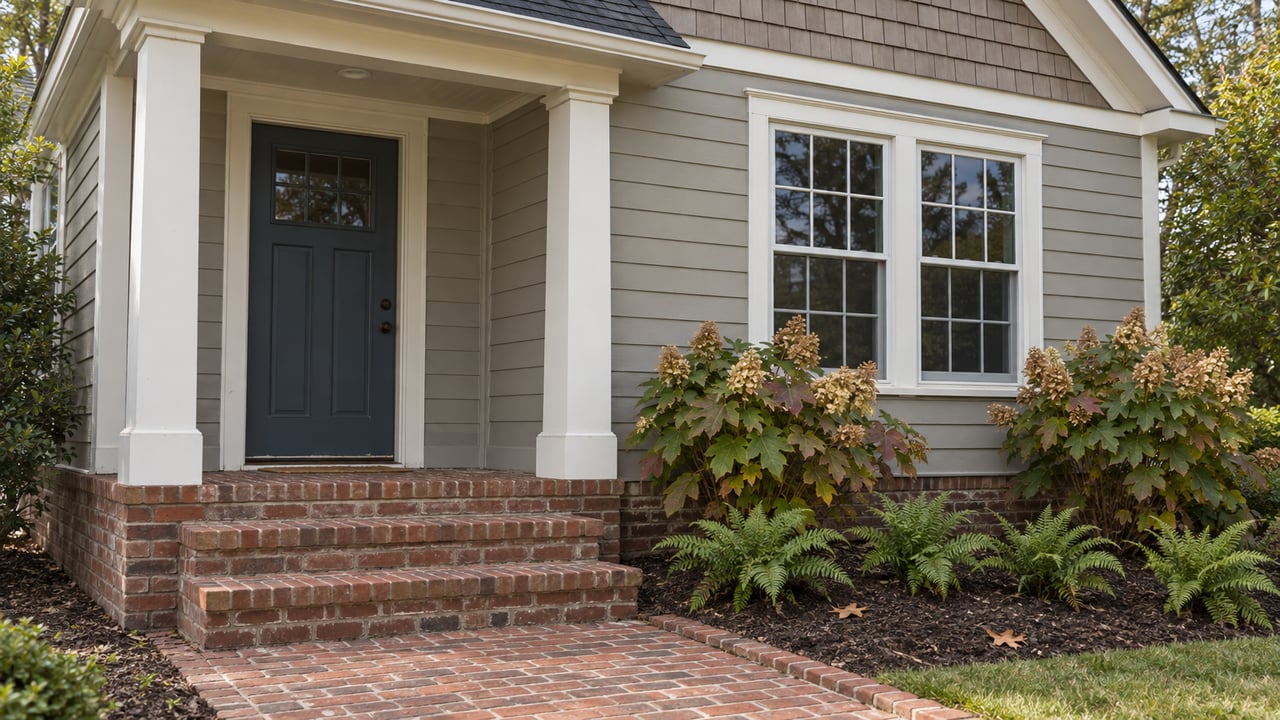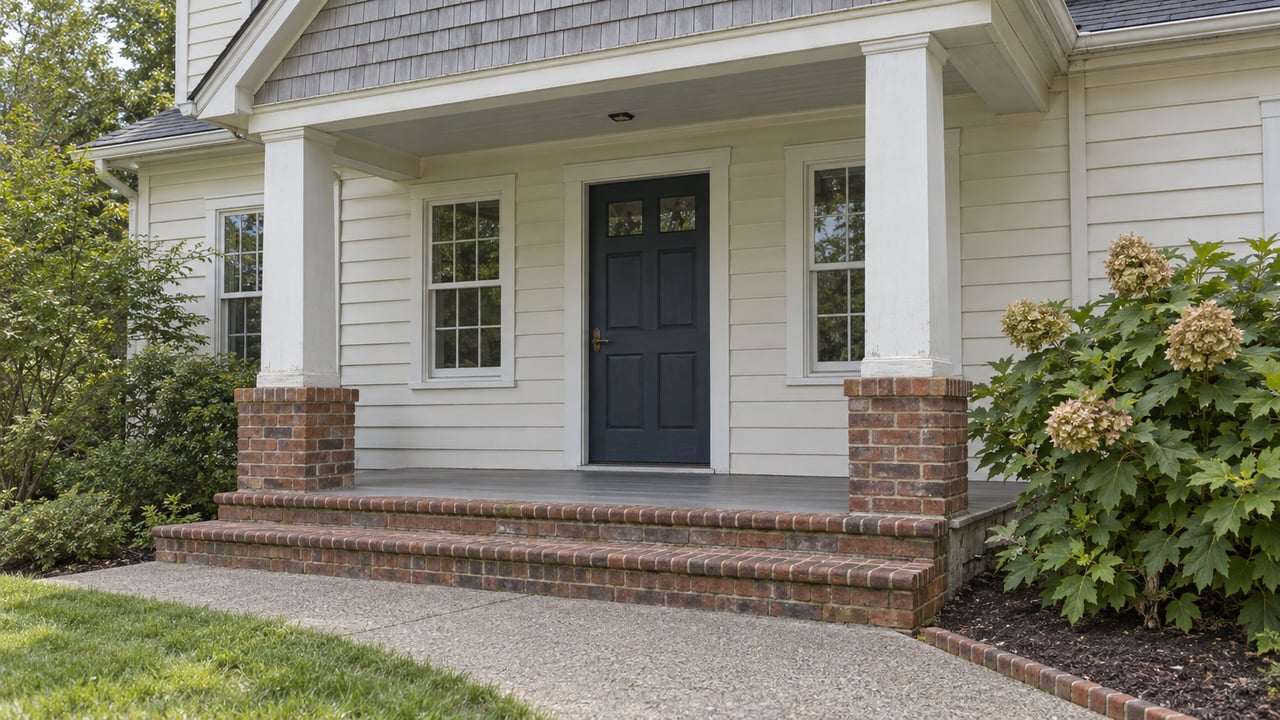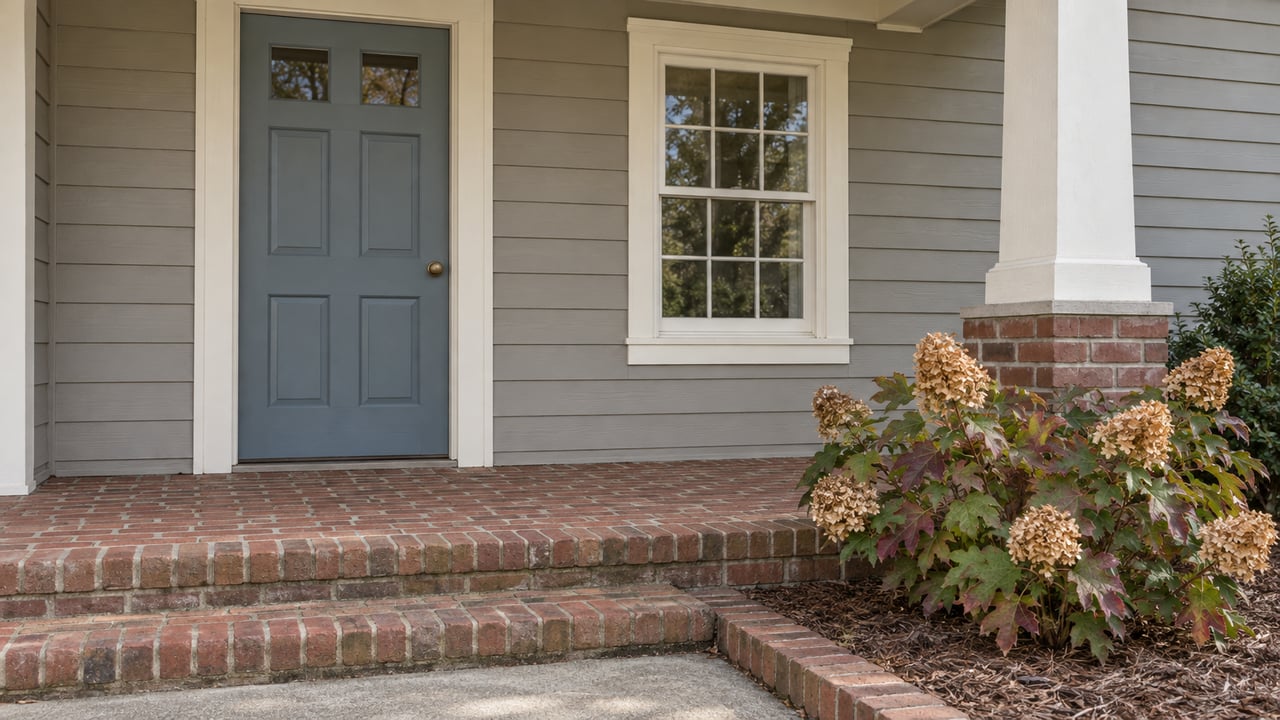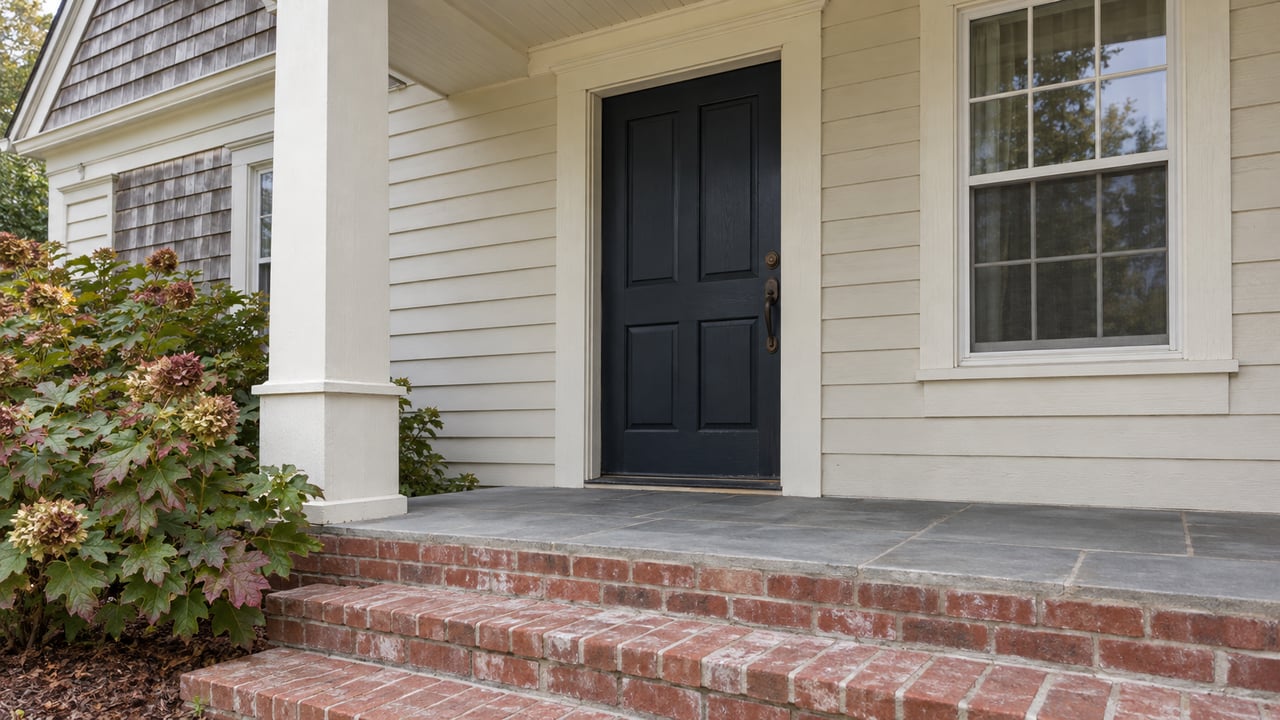
If you are house hunting in Jamestown, one of the biggest questions you may face is whether to buy a newer home or an older one. That choice is not just about age. It is about how you want to live, what kind of upkeep you can handle, and which features matter most to you long term. In Jamestown, both options can be appealing for different reasons, so it helps to understand the local housing pattern before you decide. Let’s dive in.
Jamestown Has Both Character and Growth
Jamestown is not a place where every home fits one mold. The town’s planning documents show a residential pattern shaped by postwar development through the turn of the 21st century, along with older areas tied to the historic core and the Oakdale Mill village.
That mix gives buyers a real choice. Some homes offer more established streetscapes, larger lots, and a stronger sense of local history. Others reflect newer suburban growth, with more uniform layouts and features that often feel more turnkey.
The town also places value on preserving its small-town feel, managing growth carefully, and avoiding development that feels too repetitive. That matters because in Jamestown, buyers often care not only about the house itself, but also about how it fits the character of the surrounding area.
What Older Homes Offer in Jamestown
Older homes in Jamestown often stand out for their personality. The town includes historic resources like the Gardner House, dated to 1827, and the Oakdale Cotton Mill Village, a National Register district tied to the late 1800s. That local history gives some older homes a distinct identity that can be hard to replicate in newer construction.
Another advantage is lot size. Jamestown’s comprehensive plan notes that older conventional development often includes moderately sized lots, with around one-third of an acre or larger being common. For you, that may mean more yard space, mature trees, and a less compact neighborhood feel.
Older homes can also appeal if you want a setting that feels more established. Streets closer to the older core may offer a layout and rhythm that developed over time rather than all at once. For many buyers, that adds to the sense of place.
Benefits of older homes
- More architectural character
- Larger lots in many established areas
- Mature landscaping and outdoor space
- A stronger connection to Jamestown’s historic development pattern
- Less standardized streetscapes
Tradeoffs to consider with older homes
Older homes often require closer review before you buy. Condition can vary widely based on maintenance, updates, and prior renovations. Two homes built in the same era may feel completely different depending on how well they have been cared for.
If a home was built before 1978, you should also ask thoughtful questions about possible lead-based paint. According to the EPA, lead-based paint may be present in many older homes, especially those built before 1940 and some built between 1960 and 1978. That does not automatically make an older home a bad choice, but it does make renovation history and inspection details more important.
If you are planning cosmetic changes or a future remodel, this matters even more. Paint disturbance, older materials, and hidden repairs can affect both cost and timing.
Questions to ask about an older home
- How old is the roof?
- When was the HVAC system replaced or serviced?
- Have plumbing or electrical systems been updated?
- Has insulation been improved over time?
- Have the windows been replaced?
- Are there known drainage concerns?
- Is there permit history for major improvements?
- Could any pre-1978 paint still be present?
What Newer Homes Offer in Jamestown
Newer homes in Jamestown are more likely to be found in the town’s suburban growth pattern. Local planning documents describe much of this development as larger single-family subdivisions, with some lower-intensity attached housing in certain areas.
For many buyers, the biggest draw is predictability. A newer home often comes with more current systems, a modern layout, and fewer immediate repair questions. If you want a home that feels move-in ready, newer construction may be the easier fit.
Efficiency can also be part of the appeal. The EPA states that ENERGY STAR certified new homes are at least 10% more energy efficient than homes built to code, and WaterSense labeled homes are 30% more water-efficient than typical new construction. While not every newer home will carry those labels, these standards show why many buyers associate newer homes with lower utility use and better day-to-day comfort.
Benefits of newer homes
- More modern floor plans
- Newer roofing, HVAC, plumbing, and electrical systems
- Less near-term repair uncertainty
- Potential for better energy and water efficiency
- A more turnkey experience for many buyers
Tradeoffs to consider with newer homes
The tradeoff is often individuality. Newer subdivisions can feel more planned and more uniform, which some buyers like for consistency and simplicity. Others may feel that those neighborhoods offer less character than older parts of town.
That tradeoff lines up with Jamestown’s own community feedback. Residents have expressed support for preserving history, maintaining a small-town feel, and avoiding cookie-cutter development. So while newer homes can offer convenience, buyers should still pay attention to the neighborhood setting and long-term feel.
Questions to ask about a newer home
- What features are builder standard versus upgraded?
- Is any builder warranty still in effect?
- How were drainage and grading handled?
- Are there more phases of nearby development planned?
- How does the lot size compare to nearby homes?
Comparing Older and Newer Homes
In Jamestown, this decision usually comes down to lifestyle and priorities rather than a simple quality ranking. One buyer may love the charm and space of an older property, while another may prefer the ease and efficiency of something newer.
Here is a simple side-by-side view:
| Feature | Older Homes | Newer Homes |
|---|---|---|
| Character | Often stronger architectural identity | Usually more uniform design |
| Lot size | Often larger lots | Can be smaller or more standardized |
| Systems | May need updates or closer review | Usually more recent systems |
| Maintenance | Can involve more ongoing upkeep | Often lower near-term maintenance |
| Layout | May have more traditional room flow | Often more modern floor plans |
| Neighborhood feel | More established streetscapes | More planned subdivision setting |
How to Choose the Right Fit for You
A smart decision starts with knowing what matters most to you. In Jamestown, the strongest choice is usually the one that matches your tolerance for updates, your budget beyond the mortgage payment, and the kind of setting you want to come home to every day.
If you love mature landscaping, larger yards, and a home with a story, an older home may feel right. If you want fewer near-term projects and a more streamlined move, a newer home may be the better fit.
It also helps to think about resale. The research suggests that location within town, lot size, condition, upgrades, and how well a home fits its surrounding neighborhood can all shape value in Jamestown. In a market where Redfin reported a median sale price of $364,782 for the three months ending May 2026 and Zillow reported a typical home value of $353,661 as of May 31, 2026, buyers still need to look closely at what they are getting for the price.
With about 30 homes for sale and 11 new listings reported by Zillow at that time, inventory also appears relatively limited. That means you may not always get a perfect old-versus-new comparison side by side, so being clear on your priorities can help you move with confidence when the right option appears.
A Practical Jamestown Home Search Checklist
No matter which direction you lean, compare each property through the same practical lens.
Check these items for any home
- Lot size and usable outdoor space
- Privacy and street feel
- Commute and daily convenience
- Overall condition
- Recent upgrades
- Long-term upkeep costs
- Resale potential compared with nearby homes
Focus on the total cost, not just the list price
An older home with a lower upfront price may need repairs or updates sooner. A newer home with a higher purchase price may offer lower near-term maintenance but less flexibility in style or setting.
Looking at total ownership cost helps you make a better apples-to-apples comparison. That includes likely repairs, utility use, improvement plans, and how long you expect to stay in the home.
The Bottom Line on Older vs. Newer Homes
In Jamestown, there is no one-size-fits-all winner. Older homes often bring character, larger lots, and a stronger sense of place. Newer homes often offer efficiency, updated systems, and a more turnkey experience.
The best home for you is the one that fits your goals, your comfort level with maintenance, and the part of Jamestown that feels right for your lifestyle. When you look beyond age alone and focus on condition, setting, and long-term fit, the decision usually becomes much clearer.
If you want help weighing older homes against newer options in Jamestown, Pam Robbins can help you compare properties with a local, practical perspective and guide you toward the right fit.
FAQs
What is the main difference between newer and older homes in Jamestown, NC?
- In Jamestown, older homes often offer more character, larger lots, and established surroundings, while newer homes often offer modern layouts, newer systems, and a more turnkey experience.
Are older homes in Jamestown more likely to need repairs?
- Older homes can have more maintenance risk, so it is important to review roof age, HVAC, plumbing, electrical updates, drainage, insulation, and renovation history before buying.
Do newer homes in Jamestown have better energy efficiency?
- Many buyers choose newer homes for efficiency, and the EPA says ENERGY STAR certified new homes are at least 10% more energy efficient than homes built to code, while WaterSense labeled homes are 30% more water-efficient than typical new construction.
Are lot sizes different between older and newer homes in Jamestown?
- In many of Jamestown’s older development patterns, lots around one-third of an acre or larger are common, which can mean more yard space and a less compact feel than some newer subdivisions.
Is Jamestown, NC a competitive housing market for buyers?
- Recent data in the research report points to a mid-$300,000s market with limited inventory, including 30 homes for sale and 11 new listings reported by Zillow as of May 31, 2026, so buyers benefit from being clear on priorities.
How do you decide between an older and newer home in Jamestown?
- The best approach is to compare location, lot size, condition, upgrades, maintenance expectations, and neighborhood feel, then choose the home that best matches your budget, lifestyle, and long-term plans.